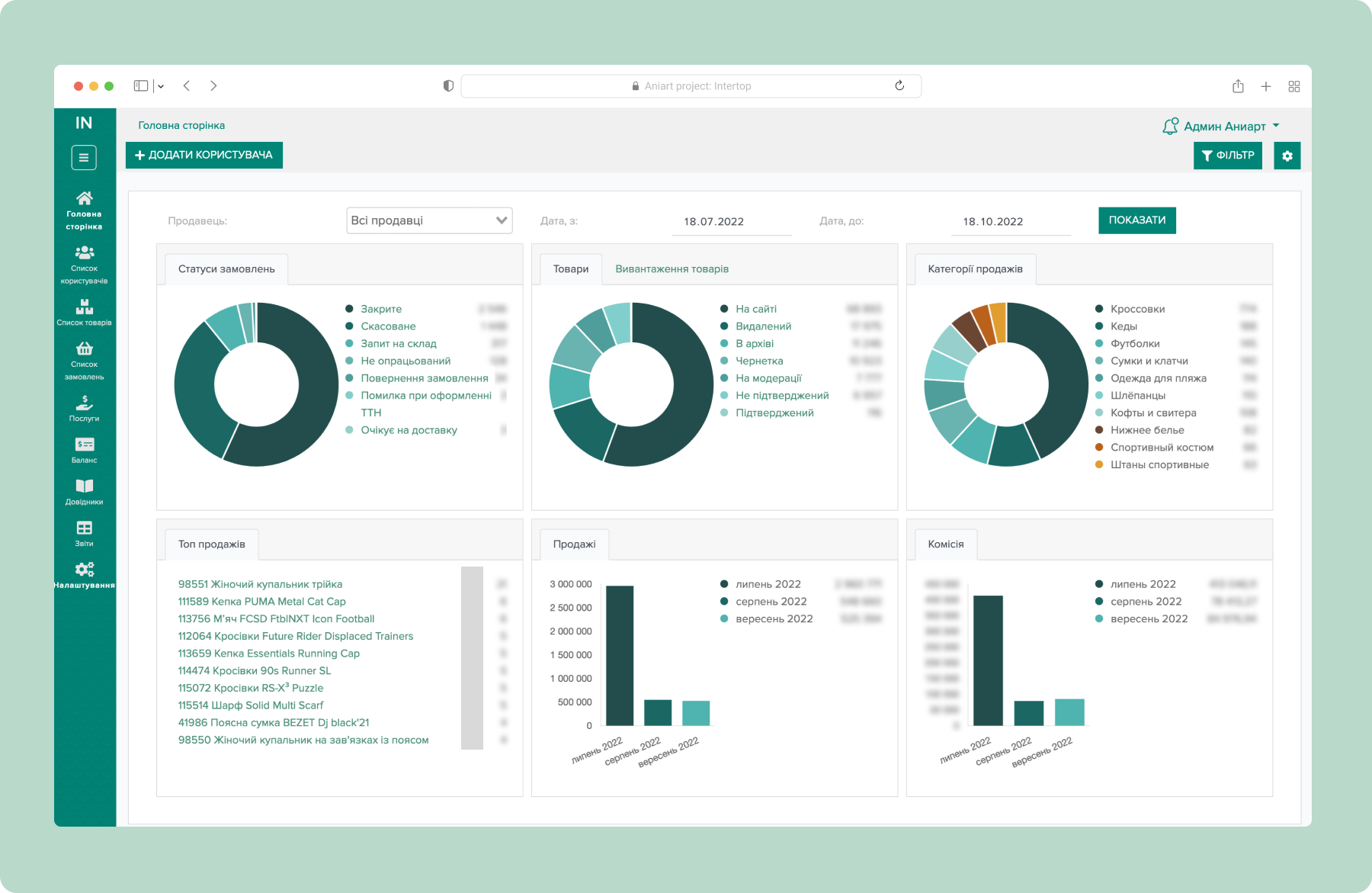
The website you are reading right now — I built it myself. I am not a developer, I am a project manager. Ten-plus years of projects, estimates, sprints and releases behind me, but I do not write code. And yet: the homepage, the portfolio, the blog, three content languages, an admin panel, analytics — all of it appeared without a single programmer involved. Here is how.
What has changed in IT
A couple of years ago AI in development meant autocomplete in the editor. Now it is a full-fledged executor: it reads the whole project, writes and edits code, drafts copy, translates it, finds bugs and explains what it did and why. The very unit of work has changed: not "a task for a developer" but "a well-formulated intent". And the person who can formulate intents clearly and verify the result suddenly became the most valuable figure in the process.
My setup: three tools
Claude Code
An AI agent by Anthropic that lives right in the terminal. It sees the whole project, edits files on its own, writes copy and translations, commits changes. My "executor".
PhpStorm
A professional IDE by JetBrains. My "control panel": this is where I review diffs — what exactly changed, line by line, — file history, and run the terminal with Claude Code.
GitLab CI/CD
Delivery to the server. For me it is literally two buttons: deploy — ship the code, seed — refresh the content. One click and the site updates in a minute.
What it actually looks like
I write the task in plain language — exactly the way I would put it to a developer in a task tracker. A real example from working on this very site:
Then comes my part. In PhpStorm I review the changes with a PM's eye: does it match the design, did anything nearby break, is the copy correct in all three languages. If something is off — I type "fix this bit here" and see a new diff a minute later.
And that is it. No tickets, no waiting for "the developer frees up on Thursday", no losses in context handover. The idea-to-production cycle shrinks from weeks to hours.
What it costs
Let us count honestly, at July 2026 prices:
So the whole toolkit starts at $28 a month in the minimal configuration. For comparison: building a site like this with a team — a designer, a front-end dev, a back-end dev, content in three languages — means weeks of calendar time and a budget in the thousands of dollars. Here the tools cost less than one hour of agency work.
AI does not replace people
AI did not replace me — it amplified me. It writes code and copy fast, but it does not decide what the business actually needs, does not own the outcome and does not sense context the way a person does. The human role does not disappear — it shifts: from "doing it by hand" to "formulating, steering and accepting the work". And that role stays essential — one person simply becomes many times more productive.
AI will not replace people. But a person who knows how to work with AI will do more — faster and cheaper.
If you are curious how to apply this approach in your business — from a website to internal tools — drop us a line. I will walk you through the live example you have just finished reading.