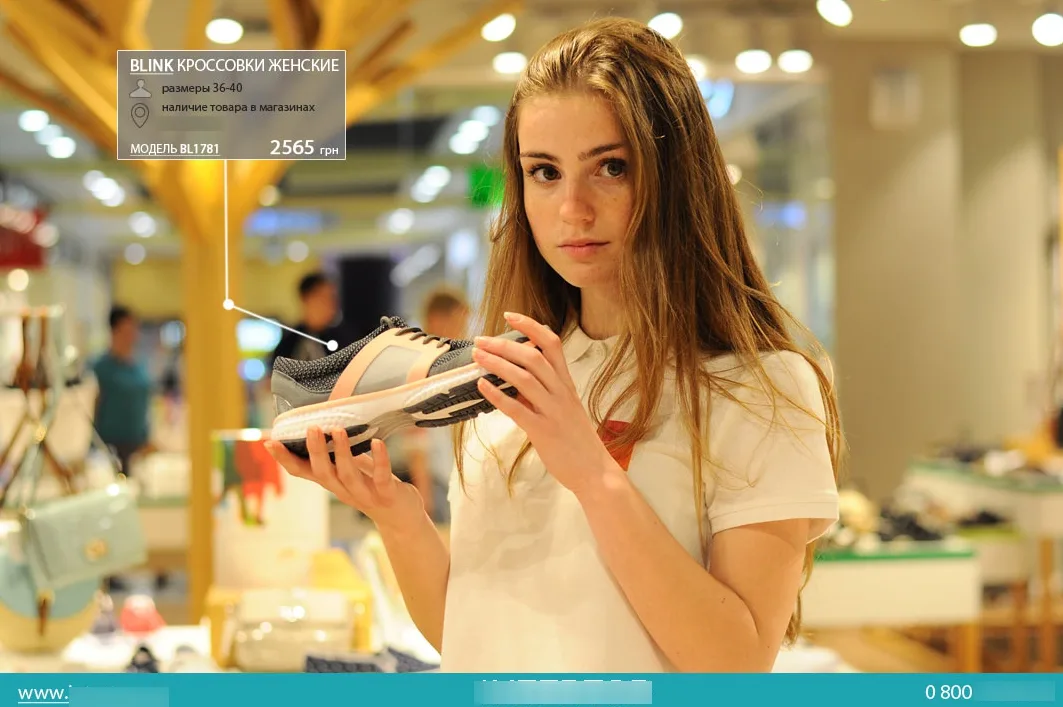
Fashion brands — clothing, footwear, accessories — invest enormous effort into gathering an audience of many thousands of loyal users inside their social media communities. In regular reports and press releases, marketers and PR managers cite convincing figures for reach, engagement and mentions. Yet in 8 cases out of 10 the audience they have assembled takes the passive position of an ordinary "content consumer" who is not involved in the life of the brand at all.
The core problem
Marketers do not know how to approach the target audience they have already gathered in order to interest it and draw it into the life of the brand. They understand that this is exactly where a huge untapped potential lies. But despite every expectation, work with the audience is almost always carried out using methods from the past. For the most part it is dry information delivery and a direct call to take part in activities.
Here is what a fashion brand's Facebook feed most often looks like: a great deal of information, full of "spam blocks".
- Collections "that fashionistas all over the world have been waiting for…".
- Current sales.
- Upcoming sales.
- "Last hours to buy…".
- Posters that already cover the city's billboards anyway.
Blindly following the algorithms brings no result
After the annual SMM study confirmed that video takes priority over other content formats in the Facebook algorithm, every third post in readers' feeds turned from a poster into a video clip — assembled, however, from those very same posters. You have to be a very committed brand advocate for reading content like that to feel engaging and interesting.
Existing experience
At the same time, the audience responds eagerly to the chance to appear in a well-known brand's feed. Especially when marketing gathers visitors in the stores for another promotion. This is precisely the moment when the brand's offline life can be combined with its coverage in online channels.
Testing the hypothesis
For the test we used a Facebook technology — publishing content through trusted pages.
In the offline stores, visitors were offered professional photographs during the promotion, mostly while they were trying items on. A special simplified QR code with increased contrast was placed on the item beforehand.

Why visitors agree to take part
The answer is trivially simple — they find it interesting: after all, they receive high-quality photographs taken by a professional photographer. And they are happy to share great shots with their friends on Facebook.
Appearing in a favourite brand's feed
For a visitor to the promotion this is not an advertising offer but a small personal event — something every girl dreams of.
Getting professional photographs
The shots are taken by a professional photographer right in the store, during the fitting — something a person cannot achieve on their own.
Trying on the latest collection
The promotion gives a reason to try on new items and immediately see yourself in them in a high-quality photo.
Sharing with friends
A finished shot is something you want to show off — and the person posts it to their own feed themselves.
During post-processing, a form of "branding" can be added to the photographs, along with the product name.
How the photographs travel from offline into the social network
A system was developed for this task: an editor for processing photos and overlaying additional information, and an application for Facebook.
- The shoot in the store. The visitor is photographed during the fitting; the simplified QR code is already placed on the item.
- Processing. Branding and the product name are added to the shot.
- Private album. The processed photographs, taken in a real store, are sent to each user's private album on Facebook.
- User permission. To save a photograph in their profile, the visitor has to confirm this through a Facebook plugin or install the application on their smartphone.
- Publication. From the hidden album people themselves post to their feed the photographs they liked. The QR code acts as the connecting element here.

The viral effect and direct access to the audience
High-quality, sharp photographs in clothing or footwear that a person tried on in the store during the promotion spread instantly across their friends' profiles (and then to friends of friends, and so on), collecting likes and comments from people they know. Put simply, such a post with a user's photograph carrying a logo or another form of branding becomes viral. And the more people publish photographs like these, the stronger this viral effect is for the brand itself.
This is exactly the kind of direct access to the target audience that marketers dream about.Project hypothesis
After all, on Facebook the acquaintances of a loyal customer are people who are in many ways similar to that customer. That is precisely why they are highly likely to belong to the target audience as well.
What does the brand get? Traffic of the highest possible quality. Plus deferred demand for visits to the offline stores. And on top of that — effective image advertising and genuinely unique content.
How this affects traffic and its quality

Prospects for further development
- The brand's online store. Adding the photos to a specific product card on the site, in a "How this product looks in real life" section.
- Extended product information. Placing extended data on the photo: name, price, colour, size.
- Geolocation. Placing extended information about the store's location on the photo — a map, for example.